
When I was in my accident more than 40 years ago, it was a very different time for individuals with disabilities and seniors when it comes to health care needs and available support. In 1985, my accident made anything afterward a preexisting condition. Due to that law, millions of others and I were legally allowed to be denied healthcare. This would create a perfect storm that has left me bedbound. The information I share below is personal. I want to help you avoid the pitfalls I have faced due to poor education and limited resources.
As someone who’s navigated quadriplegia for over 42 years, I’ve faced relentless health battles—including the daily fight against pressure ulcers. These wounds aren’t mere annoyances; they can spiral into severe complications, turning active lives upside down. A chain of setbacks once left me bedbound with a chronic wound, derailing my independence. I’ll share that full story another time, but today, my mission is to equip you with the knowledge to sidestep that path and reclaim your freedom.
Let’s dive into what pressure ulcers are and how to prevent them.
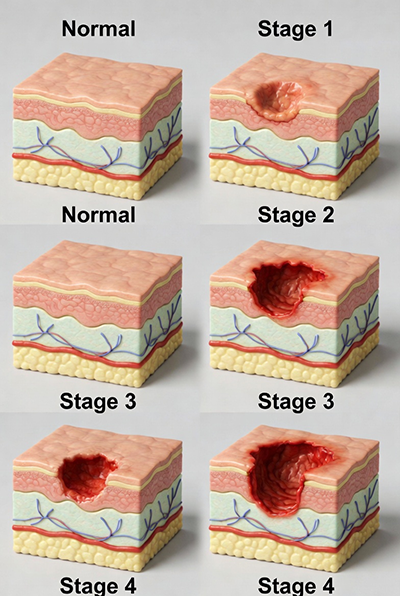
Prolonged pressure on the body can cause a pressure ulcer, also known as a bedsore or pressure sore, which injures the skin and underlying tissues. These ulcers typically form over bony areas, such as the heels, hips, tailbone, or elbows, where a surface (e.g., a bed or wheelchair) compresses the skin.
However, ulcers can form anywhere on the body. My first wound developed on the inside of my right knee while lying on my side on the couch. We weren’t told anywhere that skin-to-skin contact can cause an ulcer, and the importance of placing a pillow between my knees when lying on my side.
KEYS TO INDEPENDENCE Never let skin-to-skin contact persist, especially in areas without muscle and tissue protect bony prominent areas. Elbows, knees, and your bottom.
Your Limitless Guide
Why Are Seniors and People with Disabilities at Higher Risk?
Seniors and those with disabilities face unique vulnerabilities due to physical, lifestyle, and age-related factors. Here’s why:
- Reduced mobility, whether due to age-related frailty or conditions such as paralysis, often results in prolonged periods of sitting or lying in one position. For quadriplegics like me, this is a daily reality—pressure builds quickly without regular shifts.
- Thinner Skin and Tissue Changes: As we age, skin loses elasticity and fat padding, making it more prone to damage. Disabilities can exacerbate this condition through poor circulation or nerve damage (neuropathy), which may cause you to miss early warning signs, such as pain.
- Health Comorbidities: Chronic issues like diabetes (common in seniors), slow healing, incontinence, or malnutrition (prevalent in disability communities) increase moisture and weaken skin barriers.
- Lifestyle Factors: Wheelchair use, bed rest, or limited access to repositioning aids heighten exposure to pressure ulcers. Statistics show up to 23% of nursing home residents develop pressure ulcers annually, and those with spinal cord injuries face a 50-80% lifetime risk.
From my experience, prevention is key—ignoring early signs can turn a minor issue into months of recovery.
Simple Steps to Prevent Pressure Ulcers
Don’t wait for problems—proactive care keeps you independent:
- Reposition Regularly: Shift every 15-30 minutes. Use a kitchen timer, such as one on your phone or a voice assistant, to help you stay on track. I understand how stopping and starting activities can be a nuisance. However, once you develop a wound, your life will change drastically. Take every precaution to prevent a wound from developing.
- Use supportive aids, such as cushions or mattresses, to distribute pressure—consider gel-infused or memory foam options for added comfort if necessary.
NOTE: Keep in mind that any additional gel, memory foam, or other aids can affect the cushion or mattress’s effectiveness.
Consider the time required to shift, the relief from pressure, and the expenses incurred to purchase quality equipment as investments in your future.
Below, I break aids into three categories:
- Sitting
- Sleeping
- Positioning
The ROHO has a wealth of scientific evidence and customer satisfaction to support its claims as one of the world’s leading wheelchair cushions, particularly in wound prevention. I personally use the in my wheelchair. If your primary physician writes you a prescription, most insurance plans will cover it. If not, it can be purchased from Amazon.
SITTING and PRESSURE RELIEF
2. Use supportive aids, such as cushions or mattresses, which distribute pressure—consider gel-infused options for added comfort. The ROHO has a wealth of scientific evidence and customer satisfaction to support its claims as one of the world’s leading wheelchair cushions, particularly in wound prevention. I personally use the in my wheelchair. If your primary physician writes you a prescription, most insurance plans will cover it. If not, it can be purchased from Amazon.
Wheelchair Cushions
Whether you are recovering and temporarily using a wheelchair or a scooter, or are a permanent user, I recommend speaking with your primary care physician about your seating needs.
Permanent users should request a seating evaluation to determine the best wheelchair and cushion solution to meet your specific needs.
If your primary physician writes you a prescription, most insurance plans will cover the cost. Most insurance plans If not, it can be purchased from Amazon. there are many types of wheelchair cushions. From. waffle, memory foam, alternating cushions, and those like the ROHO.
I strongly oppose using the waffle type. I believe it will give a false sense of pressure relief, cause excessive heat from the plastic, and lead to moisture from sweating.
Memory foam can be more comfortable, but because it cannot breathe and does not redistribute pressure, it may not be a good fit for wheelchair users who cannot stand and completely offload pressure.
My Personal Recommendation
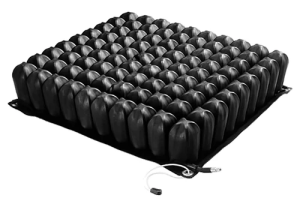
The ROHO has a wealth of scientific evidence and customer satisfaction to support its claims as one of the world’s leading wheelchair cushions, particularly in wound prevention. ROHO has a few styles to choose from, designed to meet most wheelchair users’ needs.
After a very bad bone infection in 2012, I required a dozen surgeries and the removal of my left femur. My body’s ability to distribute weight has been severely compromised.
I will add a more detailed post later. I personally use the ROHO Quadrant Select in my wheelchair.
2. Use supportive aids, such as cushions or mattresses, which distribute pressure—consider gel-infused options for added comfort. Consider the time required to shift, the relief from pressure, and the expenses incurred to purchase quality equipment as investments in your future.
Wheelchair Cushions
Whether you are recovering and temporarily using a wheelchair or a scooter, or are a permanent user, I recommend speaking with your primary care physician about your seating needs.
Permanent users should request a seating evaluation to determine the best wheelchair and cushion solution to meet your specific needs.
If your primary physician writes you a prescription, most insurance plans will cover the cost. Most insurance plans If not, it can be purchased from Amazon. there are many types of wheelchair cushions. From. waffle, memory foam, alternating cushions, and those like the ROHO.
I strongly oppose using the waffle type. I believe it will give a false sense of pressure relief, excessive heat from the plastic, and cause moisture from sweating.
Memory foam can be more comfortable, but because it cannot breathe and does not change pressure points, it may not be a good fit for wheelchair users who cannot stand and completely offload pressure.
My Personal Recommendation
The ROHO has a wealth of scientific evidence and customer satisfaction to support its claims as one of the world’s leading wheelchair cushions, particularly in wound prevention. ROHO has a few styles to choose from, designed to meet most wheelchair users’ needs.
After a very bad bone infection in 2012, I required a dozen surgeries and the removal of my left femur. My body’s ability to distribute weight has been severely compromised.
I will add a more detailed post later. I personally use the ROHO Quadrant Select in my wheelchair.
Position Wedges
I have both expensive and much less expensive positioning wedges to relieve pressure. Prior to becoming bedbound, they weren’t as important; today, they are vital. Each has its role.
I have a lot of nerve pain in my side. When I lie too far up on my side, it kills my shoulders, ribs, and hips. Here’s which ones I have and how I use each:
The ROHO Q-Select is the cushion I personally use, as it accommodates my height, weight, and complex needs. It allows the cushion to retain air in each section, providing stability and support around my ischium and my tailbone.
SLEEPING and PRESSURE RELIEF
Sleep is vital for every aspect of life. If you or your loved one needs assistance turning to relieve pressure, I highly recommend something more advanced than a memory foam mattress or position wedges.
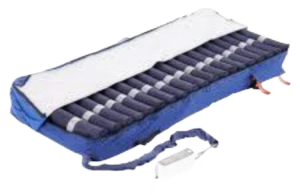
An alternating pressure mattress can help you, your spouse or partner, and your caregiver get rest, especially through the night. There are many types available at many price points.
When dealing with severe wounds, you may need something like a clinitron that simulates you floating to relieve all pressure. For more manageable wounds, I can recommend 2 types, depending on your budget and insurance coverage.
If you are paying out of pocket, the best midrange mattress I have used is below. It is the Medvance medical-grade system.
If you’re dealing with pressure ulcers, consult a doctor; however, these tips can help you maintain a healthy and active life.
Ready to protect your health? Explore our Specialized Health Support category for more solutions.
3. Maintain Skin Health: Keep your skin dry, moisturize regularly, and inspect it daily for any changes.
4. Nutrition Boost: Protein-rich diets and supplements, including vitamin C, support tissue repair.
For reliable tools, I recommend products like the [Amazon Affiliate Link: Pressure Relief Cushion], which is both affordable and effective, based on my tests.
If you’re dealing with pressure ulcers, consult a doctor; however, these tips can help you maintain a healthy and active life. Share your experiences in the comments—what’s worked for you?
Ready to protect your health? Explore our Specialized Health Support category for more solutions.